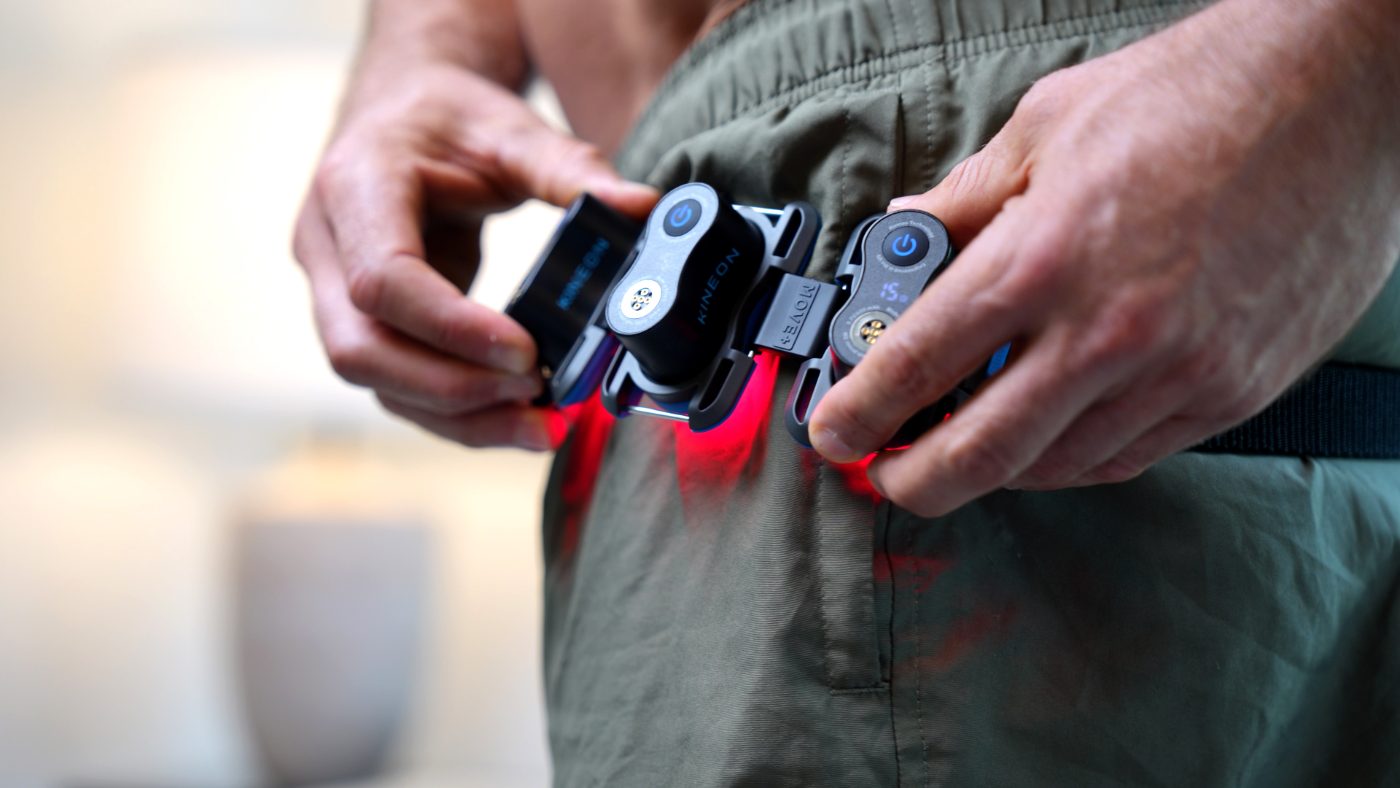
Piriformis syndrome causes deep gluteal pain that radiates down the leg—a condition affecting millions globally. The piriformis muscle, buried deep in the buttocks, can compress the sciatic nerve when irritated or inflamed, triggering radiating pain, numbness, and tingling. This condition is often misdiagnosed as general sciatica or disc problems, making treatment challenging. Evidence suggests red light therapy may address both the muscle inflammation and nerve irritation underlying piriformis syndrome by reducing inflammation in the piriformis muscle and surrounding tissue, potentially relieving pressure on the sciatic nerve. Studies indicate red light therapy reduces muscle inflammation and promotes tissue repair—the mechanisms most relevant to piriformis syndrome recovery.
Key takeaways
- Piriformis syndrome occurs when the piriformis muscle—a small muscle located deep within the buttocks—becomes tight or irritated.
- Evidence suggests red light therapy may help piriformis syndrome by addressing the underlying mechanisms: muscle inflammation, tissue repair, and nerve irritation.
- It's important to note that no piriformis-specific photobiomodulation studies currently exist.
- Based on current research and clinical evidence, here is the recommended protocol for using red light therapy to address piriformis syndrome:
What Is Piriformis Syndrome?
Piriformis syndrome occurs when the piriformis muscle—a small muscle located deep within the buttocks—becomes tight or irritated. The sciatic nerve, the body's largest nerve, runs directly through or passes immediately beneath this muscle. When the piriformis muscle contracts or inflames, it can compress the sciatic nerve, causing deep gluteal pain and radiating symptoms down the leg. Unlike sciatica caused by disc herniation (which compresses the nerve at the spine), piriformis syndrome compresses the nerve at the hip level. This compression can result in pain, numbness, tingling, or weakness in the buttock, leg, and foot. Misdiagnosis is common because these symptoms mirror general sciatica, but treatment approaches differ significantly.
Can Red Light Therapy Help Piriformis Syndrome?
Evidence suggests red light therapy may help piriformis syndrome by addressing the underlying mechanisms: muscle inflammation, tissue repair, and nerve irritation. A clinical study of patients with sciatica—the nerve pain pathway directly affected by piriformis compression—found that the majority experienced significant pain reduction with red light therapy treatment. 19 out of 26 patients with sciatica experienced significant pain reduction, demonstrating the potential for photobiomodulation to reduce the nerve pain associated with piriformis compression.
While no studies have specifically targeted piriformis syndrome, the evidence from sciatica research is directly applicable because both conditions compress the same nerve. Meta-analyses confirm that red light therapy reduces pain in soft tissue and musculoskeletal conditions, providing supporting evidence for the mechanisms involved in piriformis syndrome treatment. Additionally, research indicates that photobiomodulation therapy reduces muscle fatigue and inflammation, mechanisms directly relevant to piriformis muscle recovery.
Find Your Treatment Path
Take our brief quiz to see if red light therapy is right for your condition.
What the Research Indicates
It's important to note that no piriformis-specific photobiomodulation studies currently exist. However, the evidence base draws from closely related conditions—particularly sciatica and sciatic nerve compression—where the mechanism is directly analogous: nerve irritation and muscular compression. Below is what the research shows about these relevant pathways.
Sciatic Nerve Pain and Photobiomodulation
Since piriformis syndrome causes sciatic nerve irritation, evidence from sciatica research is highly relevant. A clinical study found that 19 out of 26 patients with sciatica experienced significant pain relief with red light therapy treatment. This finding is directly applicable to piriformis syndrome because both conditions affect the same sciatic nerve, though at different compression points. The pain pathway and nerve irritation mechanisms are identical, making this evidence a strong proxy for piriformis-specific outcomes.
Muscle and Soft Tissue Recovery
The piriformis muscle itself is the source of compression in this condition. Research on soft tissue recovery is therefore crucial. A 2021 meta-analysis found that red light therapy reduces pain in soft tissue and musculoskeletal conditions. Furthermore, a 2017 meta-analysis confirmed that photobiomodulation reduces muscle inflammation and fatigue, directly supporting muscle recovery in the piriformis.
Mechanism: How Red Light Works at the Cellular Level
Red light activates cytochrome c oxidase in mitochondria, boosting ATP production and reducing oxidative stress. This enhanced cellular energy supports tissue repair, reduces inflammation, and promotes nerve recovery—the foundational mechanism for pain relief in both the muscle and nerve components of piriformis syndrome.
The underlying cellular process is the same across every condition on this site — see How Photobiomodulation Works at the Cellular Level for the full mechanism, including what the evidence does and does not establish.
How to Use Red Light Therapy for Piriformis Syndrome
Treatment Protocol
Based on current research and clinical evidence, here is the recommended protocol for using red light therapy to address piriformis syndrome:
MOVE+ Placement for Piriformis Syndrome
Proper device placement is essential for effective treatment. The MOVE+ is a wearable, dual-wavelength device compact enough to target the piriformis muscle:
- Position: Lying face down on a comfortable surface
- Placement: Center the MOVE+ over the posterior gluteal region, approximately at the midpoint of the buttock
- Precise Location: The piriformis muscle belly is located deep within the glute. Position the device where you feel the deepest part of the buttock—this is where the piriformis lies beneath the larger gluteus maximus muscle
- Lateral Hip Alternative: If prone position is uncomfortable, position the device on the lateral hip while lying on your side, ensuring the light penetrates the gluteal region
- Stability: Use the device's adhesive backing or a secure band to maintain consistent contact during treatment
The MOVE+ for Piriformis Syndrome
The Kineon MOVE+ is an FDA 510(k) cleared, dual-wavelength wearable designed for deep tissue penetration. Its compact form factor makes it ideal for targeting the piriformis muscle in the gluteal region:
- 660nm + 808nm wavelengths: Penetrate 8–10mm into tissue, reaching the piriformis muscle and surrounding soft tissue
- Wearable design: Lightweight and flexible, fitting comfortably over the posterior gluteal region
- Clinically validated: Backed by 20+ years of photobiomodulation research
- FDA 510(k) cleared: Meets rigorous safety and efficacy standards
- Wireless operation: App-controlled with treatment timer and progress tracking
Ready to Start Your Recovery?
Try the MOVE+ risk-free with our 30-days trial. Backed by clinical research and trusted by thousands.
Safety and Contraindications
Red light therapy is generally safe and well-tolerated, with minimal side effects. However, certain precautions apply, especially for piriformis syndrome:
Additional Safety Considerations:
- Avoid placement over metallic implants (titanium pins, surgical screws) in the gluteal or hip region, as the implant may heat slightly
- Do not apply the device over open wounds or infections
- If pregnant, consult your healthcare provider before use, though red light therapy poses no known risks to pregnancy
- Individuals taking photosensitizing medications should discuss use with their healthcare provider
- Some users report mild temporary redness or warmth at the treatment site—this typically resolves within hours
Frequently Asked Questions
Key Referenced Researchers
The studies cited in this article were authored by recognised leaders in photobiomodulation research. Below is a brief overview of the principal investigators whose work forms the evidence base for this guide.
Dr. Hamblin is one of the world's foremost authorities on photobiomodulation, with over 720 peer-reviewed publications, an h-index of 143, and more than 80,000 citations. As Principal Investigator at the Wellman Center for Photomedicine, Massachusetts General Hospital, his research established the foundational cellular mechanisms by which red and near-infrared light modulates inflammation, accelerates tissue repair, and supports neural recovery.
View publications →Dr. Leal-Junior has authored over 140 peer-reviewed publications in photobiomodulation — more randomised controlled trials than any other researcher in the field. His research spans sports performance, muscular fatigue, tendinopathy, and post-exercise recovery. Supported by USD 3M+ in grants, he leads the Laboratory of Phototherapy and Innovative Technologies in Health (LaPIT) in Brazil.
View publications →