
Human primary cell culture
2.87×
BrdU-marked proliferative activity
Combined 630 + 880 nm versus untreated cells
Ryu et al. · 2023 ↗THE EXTRAMILEST CONVERSATION
The science behind
the conversation.
Running, recovery and light.
A research companion for the conversation between Forrest Smith and Floris Gierman.
THE HUMAN QUESTION
This companion brings together selected positive findings from photobiomodulation research: pain and function, cartilage-cell biology, inflammatory signaling, thyroid outcomes, gut physiology and blood flow.
Photobiomodulation (PBM) uses red or near-infrared light. Each result below is tied to its population or experimental model, treatment protocol, measured endpoint and primary paper.
Selected positive findings and physiological context, not a comprehensive or balanced review. Prepared by Kineon, a maker of PBM devices. The research uses the devices and protocols specified in each paper; this is not a MOVE+ clinical-trial collection.
HOW TO FOLLOW THE STORY
Human clinical studiesPain, function and physiological endpoints.
Animal modelsTissue structure and biological responses.
Cell experimentsProliferation, matrix production and signaling.
Key results lead each section. Study populations, protocols, findings and primary-source links are in the appendix.
01 / PAIN & MOVEMENT
Plantar fasciitis trials reported pain improvements with light therapy.
A HUMAN RANDOMIZED TRIAL
Macias and colleagues studied 69 people with chronic plantar fasciitis. Participants received six sessions of 635 nm laser or placebo over three weeks.
At the week-eight follow-up, mean pain improvement was 29.6 points with active treatment versus 5.4 points with placebo on the study’s 0–100 scale.
Read Macias et al., 2015MEAN PAIN IMPROVEMENT
0–10 equivalent scaleDifference in mean improvement between groups at final follow-up.
02 / CELLULAR & TISSUE REPAIR
Proliferative activity, extracellular-matrix production and tissue repair are measurable processes. These studies report changes in specific cellular and tissue-level endpoints.
CELLULAR ENDPOINTS / HUMAN-DERIVED CULTURES
Human primary cell culture
2.87×
Combined 630 + 880 nm versus untreated cells
Ryu et al. · 2023 ↗Human primary cell culture
1.4×
940 nm versus untreated chondrocytes; western blot
Oliveira et al. · 2025 ↗Oliveira et al. measured extracellular-matrix production in human chondrocytes. A 940 nm regimen increased aggrecan protein and sulfated glycosaminoglycan deposition over seven days.
Protocol detail: Oliveira’s 940 nm exposure used 17 mW/cm² for 180 seconds daily for seven days, equivalent to 3.06 J/cm² per session. The western-blot and staining results are separate assays. Ryu’s tendon-cell experiment used one 20-minute exposure to 630 nm alone or combined with 880 nm.
In Yang et al., 632.8 nm light increased the cartilage-associated genes Acan, Col2a1, Sox9 and CTNNB1 after five days (p<0.01). Collagen-II protein and matrix staining also increased.
The primary experiments used rabbit chondrocytes, with selected gene effects checked in a human cartilage-cell line. Secreted GAG was higher during days 8–12 after a six-day treatment course.
TISSUE-LEVEL OUTCOMES / ANIMAL HISTOLOGY & HUMAN WOUND HEALING
Mouse osteoarthritis experiment
50% lower
940 nm versus untreated osteoarthritic mice
Fan et al. · 2025 ↗Human randomized sham-controlled trial
8.3 vs 12.6
PBM + standard care versus sham + standard care
4.3 fewer days, calculated from the reported group means.
Yadav et al. · 2025 online / 2026 issue ↗Cartilage histology · Fan940 nm LED, 20 minutes, three times weekly for six weeks. Treated mice also had a 31% improvement in weight-bearing asymmetry versus untreated OA controls at six weeks (p=0.03), increased collagen-II staining and fewer MMP3-positive cells.
Clinical skin repair · Yadav904 nm superpulsed laser twice weekly, added to the same standard burn care given to the sham group. The measured endpoint was the time required for re-epithelialization.
Related tissue and clinical findings: A mouse Achilles-tendon study reported improved collagen-fiber structure and arrangement at day 14. A human meniscal-pathology trial reported better pain and knee-function scores at four weeks.
03 / INFLAMMATION & THE WIDER BODY
Researchers have measured circulating inflammatory signals after ACL injury, vascular responses to inflammation, and local tissue responses to PBM. The studies below examine these related questions in three distinct settings.
1.4×
Serum TNF-α at approximately 27 months after ACL injury, relative to knee-healthy reference participants. The early measurement was 1.5× at a median 11 weeks.
Hagemans et al., 2021 ↗+0.43 m/s
Aortic pulse-wave velocity eight hours after an acute vaccine inflammatory stimulus. A separate human experiment measured changes in endothelial dilation.
Vlachopoulos et al., 2005 ↗Hingorani et al., 2000 ↗IL-1β ↓
830 nm laser reduced joint-capsule IL-1β expression one week after ACL reconstruction in rats, alongside improvements in contracture and selected fibrosis outcomes.
Kaneguchi et al., 2022 ↗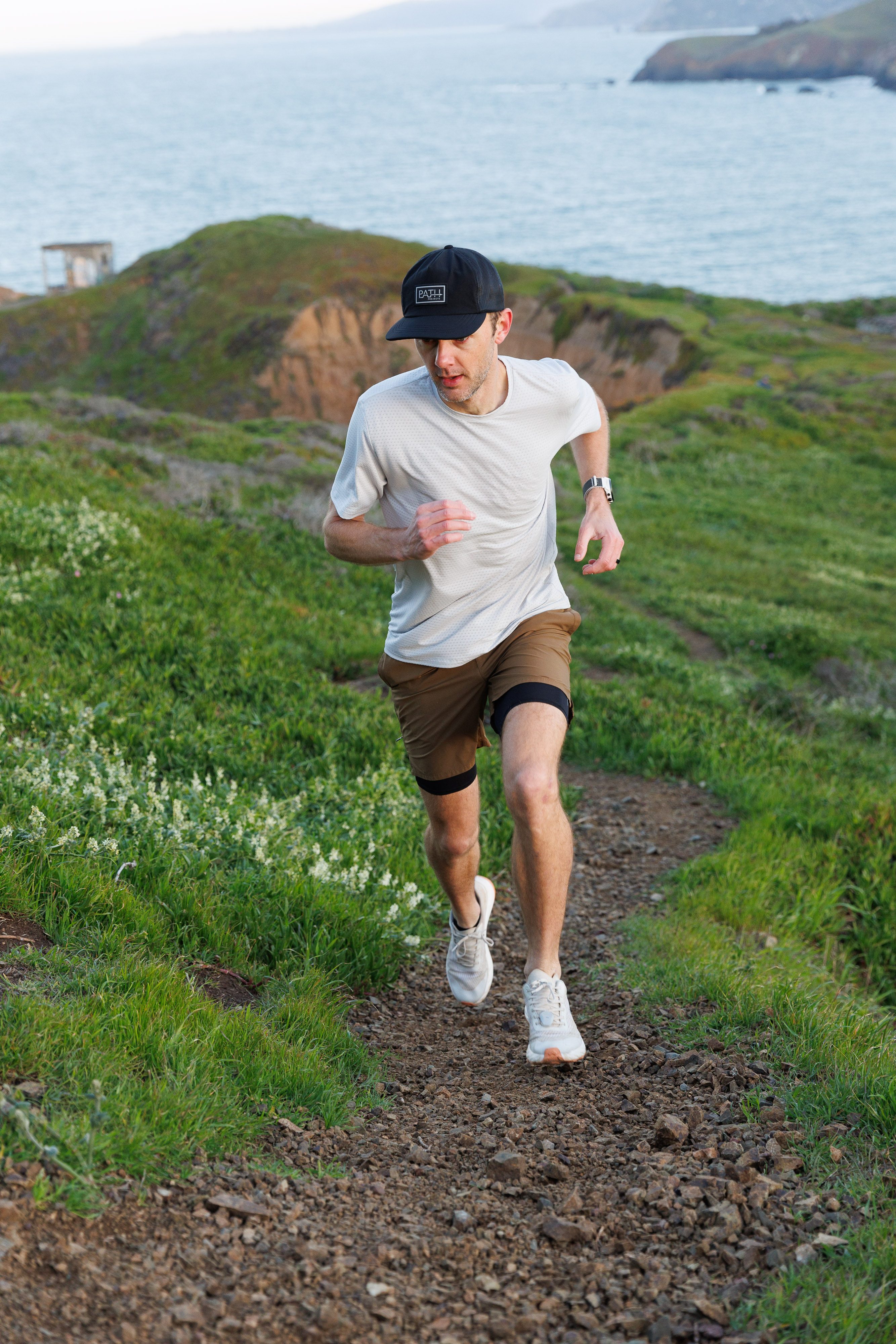
Thyroid.
Gut.
Vascular function.
04 / THYROID, GUT & VASCULAR PHYSIOLOGY
Thyroid-hormone requirements, intestinal barrier proteins and peripheral perfusion are measurable research outcomes. These selected studies report their results in distinct clinical and laboratory settings.
THYROID / THREE CLINICAL STUDIES
Three studies reported improvements in thyroid-hormone requirements or autoimmune markers. They include a randomized placebo-controlled trial and two nonrandomized comparisons of PBM with supplement-based care.
Human randomized placebo-controlled trial
64% lower
38.59 vs 106.88 µg/day, PBM vs placebo
Relative difference calculated from the reported group means.
Höfling et al. · 2013 ↗Human nonrandomized comparative study
523.6 → 88.25
PBM plus supplements group: baseline to six months
Within-group change in medians among PBM completers.
Berisha-Muharremi et al. · 2023 ↗Human nonrandomized comparative study
419.2 → 208.8
PBM plus supplements; comparison group 385.1→369.9
Ercetin et al. · 2020 ↗Höfling · 830 nmTen laser sessions. Thyroid-hormone withdrawal and dose retitration were managed by the investigators.
Berisha-Muharremi · 820 nmSix sessions over three weeks. Both groups received selenium 100 µg/day, vitamin D3 when indicated and clinician-managed levothyroxine.
Ercetin · 850 nmSix sessions across three days at eight ultrasound-mapped points. Selenium, vitamin D and iron replacement were provided as indicated.
GUT & MICROBIOME / FOUR PRECLINICAL STUDIES
These experiments measured microbial composition, epithelial renewal, tight-junction organization and inflammatory injury. The delivery methods ranged from external red or near-infrared exposure to a light-emitting catheter inside the duodenum.
Diabetic rat experiment
F/B ↓
Microbiome change following a single duodenal treatment
Light was delivered internally using a surgically inserted duodenal catheter.
Sim et al. · 2023 ↗Mouse colitis experiment
2 vs 9.5
940 nm LED versus untreated colitis
Belém et al. · 2016 ↗Microbiome composition · SimOne ten-minute duodenal OLED treatment in diabetic rats lowered the F/B ratio at weeks one and two. Shannon diversity increased at week two (p<0.05). The catheter delivered 600–700 nm light internally.
Inflammatory injury · BelémA four-minute 940 nm exposure in an acute mouse-colitis model reduced MPO activity by approximately 53%, alongside lower IL-1β, TNF-α and IL-6. The lesion-score and MPO numbers are reported in the author’s primary thesis manuscript.
Barrier organization · de Paula-SilvaIn a mouse colitis-recovery experiment, daily red LED treatment preserved claudin-1 organization and increased crypt-cell proliferation and Annexin A1. IL-1β and IL-6 elevations, apoptosis and inflammatory infiltration were lower.
Barrier-protein and epithelial-repair study ↗
Epithelial renewal · Upadhyay980 nm abdominal light improved crypt architecture in an exercise-stress mouse model (p=0.0004). Under an acidosis model, crypt length, goblet-cell counts and epithelial proliferation increased.
Gut-lining and microbiome study ↗
VASCULAR PHYSIOLOGY / HUMAN & ANIMAL EXPERIMENTS
Human studies measured increases in palm microcirculation and blood flow in the feet. A separate mouse experiment paired increased perfusion with higher circulating nitric-oxide-related precursor concentrations.
Human randomized wavelength comparison
+54%
Near-infrared arm relative to baseline
Gavish et al. · 2020 ↗Human randomized controlled study
↑ blood flow
890 nm LED outperformed both sham and warm packs; both endpoints p<0.05
Mak & Cheing · 2012 ↗Mouse physiology experiment
2.4×
1,097 vs 453 Doppler intensity units, red light versus control
Keszler et al. · 2022 ↗Gavish · 830 nmFive minutes over the wrist at 55 mW/cm². In the near-infrared arm, flow rose 27% during exposure and 54% during the 20-minute follow-up, each relative to that arm’s baseline.
Mak & Cheing · 890 nmThirty minutes of skin-contact LED treatment at 60 mW/cm². Both capillary blood-cell velocity and superficial skin flow increased more than with sham LED or warm packs.
Keszler · 670 nmTen minutes of whole-body exposure in mice at 50 mW/cm². Plasma NO-related precursors increased from 19.7 to 29.9 nM (p=0.0469), alongside increased laser-Doppler flow.
APPENDIX / THE SOURCE LIBRARY
24 primary studies. This collection selects reported positive findings and related physiological context. Each entry identifies the study design, model, protocol and measured results.
Showing all 24 studies
Active low-level laser treatment improved rest- and activity-related heel pain compared with placebo.
Ultrasonographic evaluation of plantar fasciitis after low-level laser therapy: results of a double-blind, randomized, placebo-controlled trial.
Reviewed 22 October 2026
Six sessions over three weeks produced greater pain improvement than placebo, with follow-up through week eight.
Low-Level Laser Therapy at 635 nm for Treatment of Chronic Plantar Fasciitis: A Placebo-Controlled, Randomized Study.
Reviewed 22 October 2026
Patients with selected symptomatic meniscal pathology had greater pain relief and improved Lysholm knee-function scores after low-level laser treatment.
Low-level laser therapy in meniscal pathology: a double-blinded placebo-controlled trial.
Reviewed 22 October 2026
BrdU-labeled proliferation and transwell migration increased after a single red-light or combined red/near-infrared exposure.
Exploring the Effects of 630 nm Wavelength of Light-Emitting Diode Irradiation on the Proliferation and Migration Ability of Human Biceps Tendon Fibroblast Cells.
Reviewed 22 October 2026
A seven-day near-infrared regimen increased key components of the cartilage extracellular matrix.
Near-infrared photobiomodulation stimulates viability and cartilage matrix synthesis in human chondrocytes.
Reviewed 22 October 2026
Cultured chondrocytes expressed more cartilage-associated genes and collagen-II while reducing collagen-I expression.
Promoted Viability and Differentiated Phenotype of Cultured Chondrocytes With Low Level Laser Irradiation Potentiate Efficacious Cells for Therapeutics.
Reviewed 22 October 2026
Treated osteoarthritic mice had lower cartilage-damage scores, stronger collagen-II staining and improved weight-bearing symmetry.
Optimizing LED photobiomodulation parameters to prevent cartilage matrix degradation in knee osteoarthritis: in vitro and in vivo study.
Reviewed 22 October 2026
Near-infrared PBM added to standard burn care shortened the time to re-epithelialization compared with sham plus the same care.
Effects of Photobiomodulation Adjunct Therapy via Superpulsed 904 nm Laser in Patients With Second-Degree Burns: Randomized Controlled Clinical Trial.
Reviewed 22 October 2026
Light-treated Achilles tendons had better fiber organization on histology and a collagen profile closer to healthy tissue.
Efficacy of Light-Emitting Diode-Mediated Photobiomodulation in Tendon Healing in a Murine Model.
Reviewed 22 October 2026
Laser-treated rats had fewer inflammatory cells and lower selected inflammatory signals at 24 hours.
Effect of low-level laser therapy on the expression of inflammatory mediators and on neutrophils and macrophages in acute joint inflammation.
Reviewed 22 October 2026
Serum TNF-α was higher in people with ACL injury than in knee-healthy reference participants, both early after injury and around two years later.
An Anterior Cruciate Ligament Rupture Increases Levels of Urine N-terminal Cross-linked Telopeptide of Type I Collagen, Urine C-terminal Cross-linked Telopeptide of Type II Collagen, Serum Aggrecan ARGS Neoepitope, and Serum Tumor Necrosis Factor–α.
Reviewed 22 October 2026
An experimentally induced inflammatory stimulus temporarily reduced endothelium-dependent dilation in healthy volunteers.
Acute systemic inflammation impairs endothelium-dependent dilatation in humans.
Reviewed 22 October 2026
Randomized, sham-controlled substudies measured higher aortic pulse-wave velocity after vaccine-induced inflammation; aspirin pretreatment attenuated the response.
Acute systemic inflammation increases arterial stiffness and decreases wave reflections in healthy individuals.
Reviewed 22 October 2026
After ACL reconstruction, laser-treated rats had lower capsule IL-1β expression, less arthrogenic contracture and selected improvements in fibrotic changes.
Low-Level Laser Therapy Attenuates Arthrogenic Contracture Induced by Anterior Cruciate Ligament Reconstruction Surgery in Rats.
Reviewed 22 October 2026
At nine months, the active-treatment group required a lower mean levothyroxine dose to maintain normal thyroid-hormone concentrations. Thyroid echogenicity improved and anti-TPO levels were lower.
Low-level laser in the treatment of patients with hypothyroidism induced by chronic autoimmune thyroiditis: a randomized, placebo-controlled clinical trial.
Reviewed 22 October 2026
PBM plus supplements was associated with favorable thyroid-marker changes over six months. In the PBM group, median anti-TPO declined from 523.60 to 88.25 IU/mL.
Efficacy of Combined Photobiomodulation Therapy with Supplements versus Supplements alone in Restoring Thyroid Gland Homeostasis in Hashimoto Thyroiditis: A Clinical Feasibility Parallel Trial with 6-Months Follow-Up.
Reviewed 22 October 2026
PBM plus supplements produced greater improvements in T3, T3/T4 ratio and anti-TPO than supplements alone. Mean weekly levothyroxine requirements declined by about half in the PBM group.
Impact of Photobiomodulation on T3/T4 Ratio and Quality of Life in Hashimoto Thyroiditis.
Reviewed 22 October 2026
A single duodenal light treatment lowered the Firmicutes-to-Bacteroidetes ratio at weeks one and two and increased Shannon diversity at week two.
OLED catheters for inner-body phototherapy: A case of type 2 diabetes mellitus improved via duodenal photobiomodulation.
Reviewed 22 October 2026
Claudin-1 organization was better preserved, with greater crypt-cell proliferation and fewer inflammatory and apoptotic changes.
Red light-emitting diode treatment improves tissue recovery in DSS-induced colitis in mice.
Reviewed 22 October 2026
Treated mice had less gross tissue injury and neutrophil-associated inflammatory activity after chemically induced colitis.
Light-emitting diodes at 940 nm attenuate colitis-induced inflammatory process in mice.
Reviewed 22 October 2026
Near-infrared treatment preserved microbial populations and supported intestinal crypt architecture, goblet cells and epithelial proliferation.
Photobiomodulation Strengthens Muscles via Its Dual Functions in Gut Microbiota.
Reviewed 22 October 2026
Laser-Doppler measurements showed an immediate increase in flow after wrist irradiation, with a larger increase during follow-up.
Microcirculatory Response to Photobiomodulation—Why Some Respond and Others Do Not: A Randomized Controlled Study.
Reviewed 22 October 2026
An 890 nm LED treatment increased capillary blood-cell velocity and superficial skin flow compared with both placebo and warm packs.
Immediate Effects of Monochromatic Infrared Energy on Microcirculation in Healthy Subjects.
Reviewed 22 October 2026
Whole-body red-light exposure increased laser-Doppler flow and plasma nitric-oxide precursor concentrations immediately after treatment.
In Vivo Characterization of a Red Light-Activated Vasodilation: A Photobiomodulation Study.
Reviewed 22 October 2026
Download the same annotated sources, with findings and caveats.
READING THE EVIDENCE
Human clinical studies, observational cohorts, animal models and cell experiments are labeled throughout. Results are presented at the study’s reported timepoint and compared with its stated control or baseline.
CLINICAL CONTEXT
Educational information, not medical advice or a dosing guide. Seek qualified care for persistent symptoms. Do not change thyroid medication or start experimental treatment from these summaries.
PHOTOGRAPHY & EDITORIAL STATUS
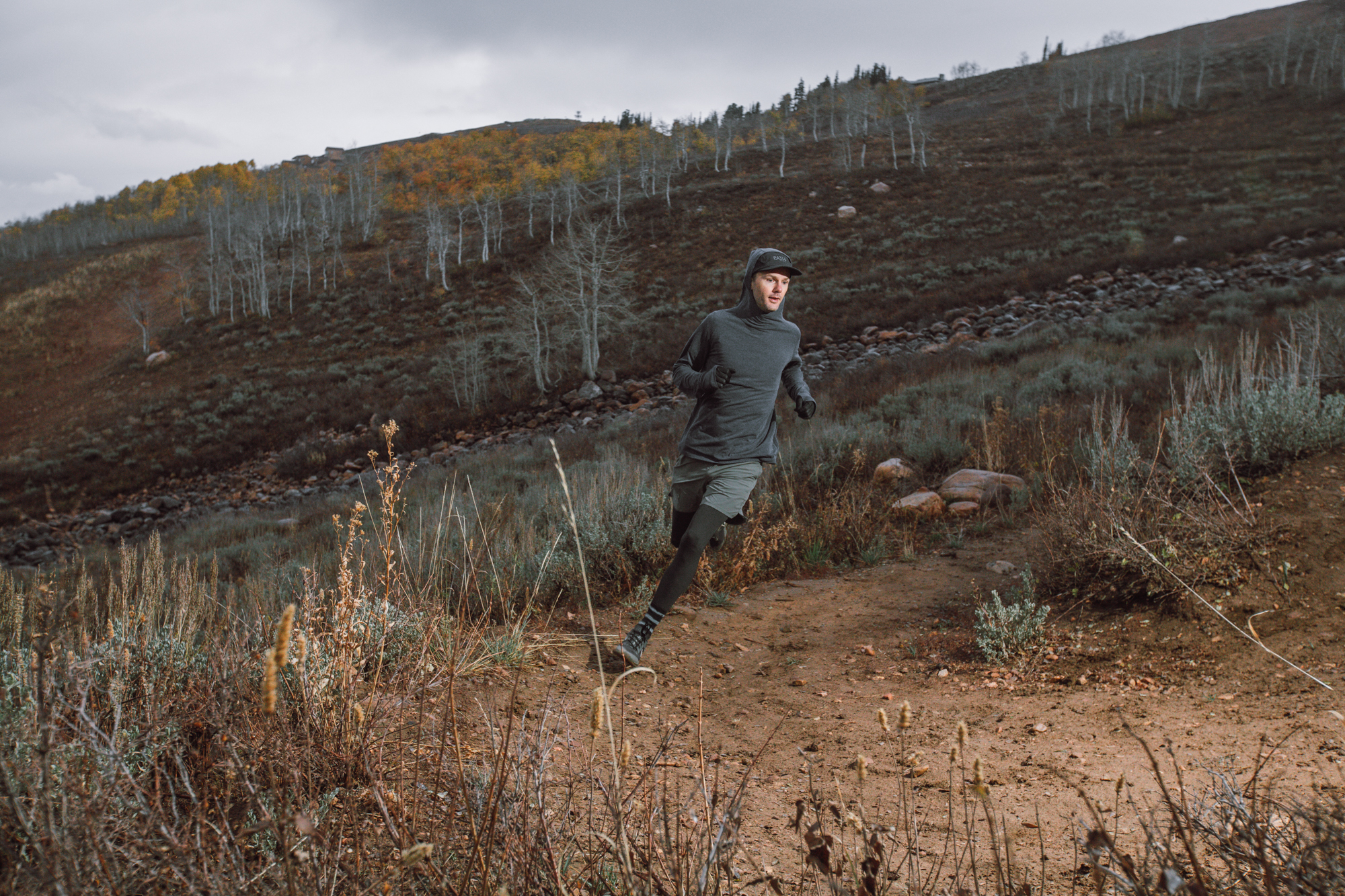
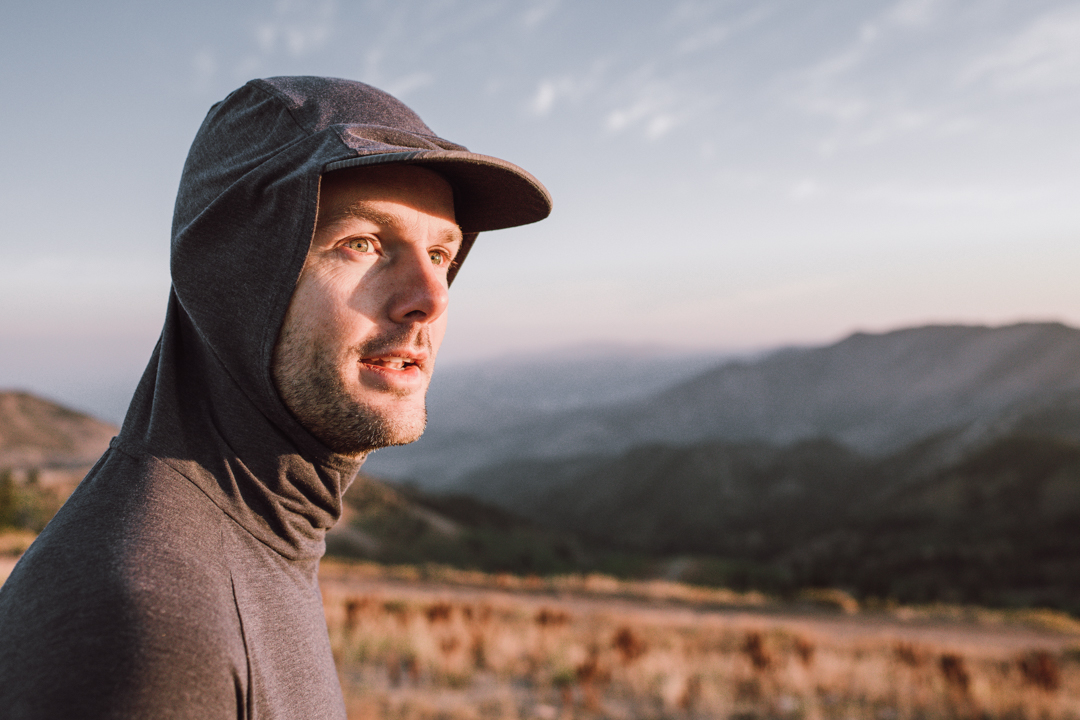
Floris Gierman photographs sourced from the photo collection linked by his official biography as images available to use. Mountain-running photograph: Liam Lonsdale. Coastal-running photograph: Jordan Rosen Photography. Portrait: photographer unspecified in the supplied media kit. No detailed commercial license was located; final public promotional use should be cleared. No endorsement or publication approval is implied. This version remains private for review.