Is Red Light Therapy Safe for Your Eyes?
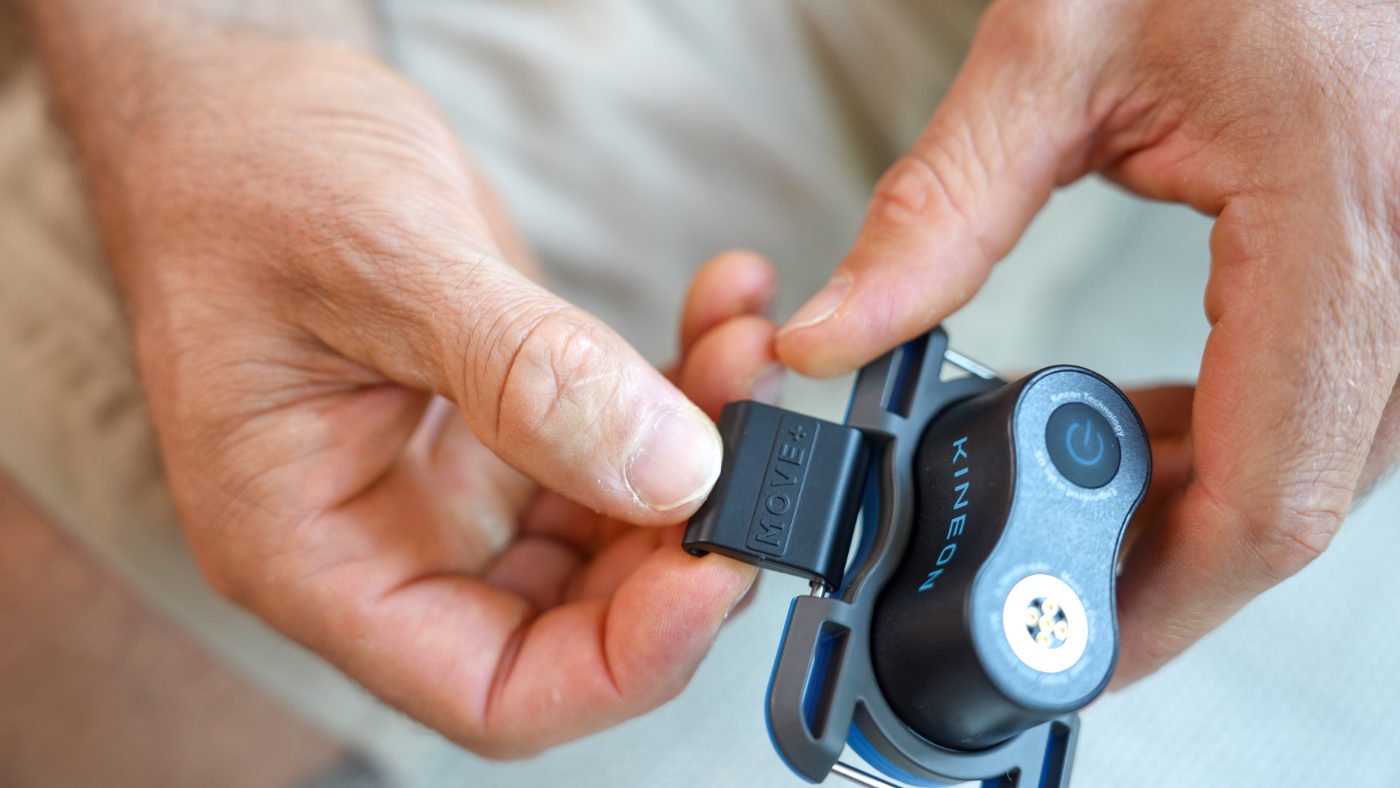
When considering red light therapy for any health purpose, questions about safety—especially regarding the eyes—are essential and valid. Near-infrared light has been studied for decades, and the evidence consistently shows that when used appropriately, photobiomodulation therapy is safe for eyes. In this guide, we'll explain the science behind red light therapy, review the clinical evidence, and provide clear safety guidelines for using the MOVE+ near your face and eyes.
How Red Light Reaches the Eye
Red light and near-infrared radiation are part of the electromagnetic spectrum between visible red light (600–700 nm) and infrared heat (1200+ nm). The MOVE+ uses 808 nm near-infrared light, which sits comfortably in the therapeutic window—the optimal wavelength range for penetrating tissue without excessive heat or photochemical damage.
When near-infrared light enters the eye, most of it is absorbed by the cornea, lens, and anterior chamber before reaching the retina. A small amount does penetrate to the retina, where photons interact with mitochondrial chromophores—primarily cytochrome c oxidase in the electron transport chain. This interaction enhances ATP production, reduces oxidative stress, and supports cellular repair processes.
The key safety factor is irradiance (power density). At the irradiance levels used in clinical photobiomodulation—typically 1–10 mW/cm²—the thermal load on ocular tissue is negligible. In contrast, direct exposure to the sun or high-intensity light sources can generate dangerous thermal and photochemical damage. The difference lies not in the wavelength itself, but in the dose and exposure conditions.
What the Research Says About Eye Safety
Multiple peer-reviewed studies have examined the safety profile of near-infrared light in both animal models and human subjects. A landmark 2021 review in Photobiomodulation, Photomedicine, and Laser Surgery examined photobiomodulation therapy for age-related macular degeneration and diabetic retinopathy, concluding that low-level light therapy shows promise for retinal conditions when applied appropriately.
In 2021, Hamblin and colleagues published a comprehensive review titled "Safety of photobiomodulation therapy for the eye" in the Journal of Photobiomodulation, which concluded that near-infrared wavelengths at safe irradiance levels do not damage retinal tissue. This aligns with international guidelines for safe light exposure in medical devices.
Earlier research from 2017 in Investigative Ophthalmology & Visual Science examined retinal safety of near-infrared radiation more directly. The study found that brief exposures to near-infrared at therapeutic doses are within safe limits, with no observable retinal damage in controlled studies.
These findings are reinforced by the FDA's 510(k) clearance for the MOVE+ and similar devices. Regulatory approval requires manufacturers to demonstrate both efficacy and safety, including ocular safety when the device is used as directed.
Safe Use Guidelines
- Use protective goggles designed for near-infrared light to provide an additional safety margin, even though research suggests therapeutic doses are safe without them.
- Never direct the MOVE+ beam directly into open eyes at close range.
- When treating conditions like temporal headaches, periorbital pain, or sinus issues, position the device at a safe distance (6+ inches) and angle it slightly away from the eyes.
- Follow the treatment duration recommended in the MOVE+ manual—typically 10–15 minutes per area.
When treating the body:
- Eye protection is not necessary for treating the shoulders, back, joints, or other areas away from the head.
- The device is safe to use indoors and does not emit harmful ultraviolet (UV) radiation.
- Avoid prolonged direct exposure to any bright light source for extended periods, but red light therapy sessions are brief and controlled.
Storage and maintenance:
- Store the MOVE+ in a cool, dry place away from water and direct sunlight.
- Check the device regularly for damage to the emitting surface.
- If the device is damaged or malfunctioning, discontinue use and contact support.
Who Should Take Extra Precautions
While red light therapy is generally safe, certain groups should consult a healthcare provider before use:
- People with active eye diseases: Glaucoma, retinal disease, age-related macular degeneration, diabetic retinopathy, or other diagnosed retinal conditions. An ophthalmologist should evaluate whether photobiomodulation is appropriate in your case.
- Those taking photosensitising medications: Certain drugs (e.g., tetracyclines, NSAIDs, some antibiotics) can increase photosensitivity. Check with your doctor if you are on chronic medications.
- History of light-triggered seizures: Although red light therapy uses steady, non-flickering light, individuals with photosensitive epilepsy should avoid any bright light source without medical clearance.
- Recent eye surgery or trauma: Allow adequate healing time (typically 2–4 weeks) before resuming photobiomodulation therapy near the eyes.
For all these groups, a brief conversation with your ophthalmologist or healthcare provider will clarify whether red light therapy is right for you.
Frequently Asked Questions
⚠️ Safety Contraindications
- Active eye conditions (glaucoma, retinal disease): Consult your ophthalmologist before use.
- Photosensitising medications: Check with your doctor if you take medications that increase photosensitivity.
- Do not direct device at open eyes: Always position the device at a safe angle and use protective goggles when treating near the face.
- Recent eye surgery: Allow 2–4 weeks of healing before resuming red light therapy near the eyes.
- Protective goggles recommended: When treating near the eyes, use 808nm-blocking goggles as a precautionary measure.
Related Reading
Experience Safe, Clinical-Grade Photobiomodulation
The MOVE+ is FDA 510(k) cleared and designed with safety as a priority. Thousands of patients and practitioners trust it for targeted light therapy. Start your pain-free journey today.
Shop MOVE+